The Grantham Property News
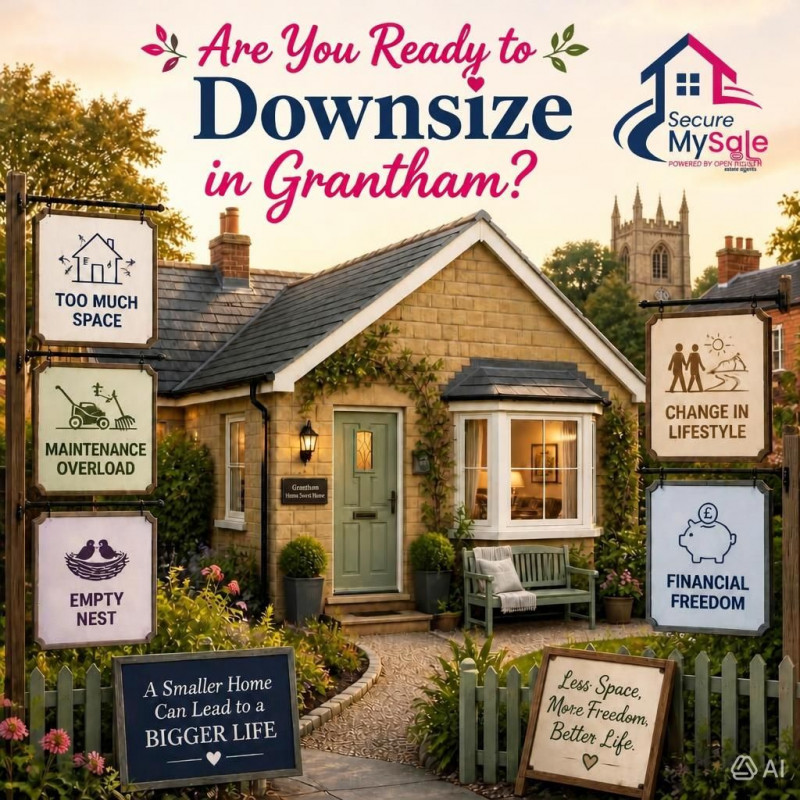
Downsizing can be about more than moving to a smaller property. It may mean less time spent on maintenance, lower running costs, a home that’s easier to manage or simply a better fit for the life you want now.
But it’s a major decision, and there’s no single right time to make it. If you own a home in Grantham and are considering a move, it helps to think about both your personal needs and what you could realistically buy and sell in the local market.
What does downsizing mean?
Downsizing usually means selling your current home and moving to a smaller one. For some people, it means moving from a family house to a bungalow or apartment. For others, it might mean choosing a smaller house with a garden that’s easier to look after, or moving closer to family, shops and transport.
The number of bedrooms isn’t the only thing to consider. Layout, accessibility, outdoor space, location and the cost of running the property can all matter just as much.
A Grantham market snapshot
Recent sold-price data gives a useful starting point when thinking about a move, although it can’t tell you exactly what your home is worth. Rightmove’s latest Grantham figures show an average sold price of £234,984 over the last year. The reported averages were £179,821 for terraced homes, £206,189 for semi-detached homes and £328,295 for detached homes. These figures vary by property, and registered sale prices can lag behind current market activity. They’re a broad guide, not a valuation of any individual home. (rightmove.co.uk)
There’s also active competition between properties for sale. In Secure My Sale’s Grantham market snapshot covering 30 days to 23 October 2026, 69 new listings came onto the market, 77 properties had their asking prices reduced and 34 listings went off the market. A property leaving the market doesn’t necessarily mean it sold, but the figures point to a market where buyers can compare options and sellers need to price carefully. (securemysale.co.uk)
For someone downsizing, this makes it especially important to look at both sides of the move: what your current home might sell for, and what suitable alternatives are actually available. A local valuation and a clear budget can help you judge whether the move works for you.
1. Your home is becoming difficult to maintain
A larger home can bring a longer list of jobs: cleaning, repairs, decorating, heating and looking after the garden. If those tasks are taking more time, energy or money than you want to spend, a smaller property might make daily life easier.
Think about which parts of your home are creating the most work. Is it the garden, the number of rooms, the stairs or the general upkeep? Downsizing could help—but so might making changes to your current home. Comparing the likely costs and effort of both options can help you decide.
When viewing potential homes, consider the practical details as well as the floor plan. For example, check whether there’s enough storage, whether outdoor space is manageable and whether the layout will continue to suit you in the years ahead.
2. You have more space than you use
Family circumstances often change over time. Children may move out, a home office may no longer be needed, or a room that once had a clear purpose might now be empty most of the year.
Unused space isn’t automatically a reason to move. Spare rooms can be useful for visiting family, hobbies or working from home. But if you’re heating, maintaining and paying for rooms you rarely use, it may be worth asking whether the property still matches your needs.
Try listing the features you genuinely want to keep. You may find that a smaller home can still offer the essentials—such as a guest room, storage or a garden—without the extra space that has become a burden.
3. Your home no longer suits your mobility or routine
Stairs, narrow doorways, steps at the entrance or a large garden can become harder to manage if your mobility changes. Some homeowners adapt their existing property; others prefer to move to a home with fewer stairs, easier access or a more convenient layout.
There’s no need to assume that a change in health means you must move. It can be helpful to compare the adaptations that might make your current home work better with the homes that are available locally. If you view a property, think beyond how it feels on the day: consider everyday tasks such as bringing in shopping, getting to the bathroom at night and accessing outdoor space.
If accessibility is a key reason for moving, make it part of your search from the outset. A smaller home isn’t necessarily easier to live in unless its layout and location meet your needs.
4. Your household costs feel difficult to manage
Heating, repairs, council tax and general maintenance can all contribute to the cost of living in a home. Moving to a smaller property may reduce some expenses, but it won’t automatically make the whole move cheaper.
Before deciding, work out the likely costs of selling and buying, including moving expenses and any work the new property may need. Compare those costs with the potential savings on heating and upkeep. If you’re buying another home, consider its condition and energy efficiency as well as its purchase price.
It’s also worth being realistic about the proceeds from your sale. The amount left over depends on what your home sells for, what your next property costs and the expenses involved in the move. A valuation and an early conversation about your budget can help you avoid making plans based on an optimistic asking price.
5. Your home or location no longer fits your life
Your priorities can change. You might want to be nearer to family, everyday amenities or transport links, or you may simply want a different pace of life. Sometimes the issue isn’t the size of the home but where it is and how well it supports your routine.
Think about what you want daily life to look like after a move. Would you prefer a smaller garden, easier access to local services or a property that’s simpler to lock up when you go away? Write down your priorities before you start viewing. It can help you focus on what matters rather than feeling pressured by a property that looks appealing but doesn’t suit your plans.
What should you consider before putting your Grantham home on the market?
Downsizing works best when you plan the sale and purchase together. Before making a decision, consider:
- Your likely sale price: Ask for an appraisal based on your property’s condition, location and relevant local comparisons.
- Your next-home budget: Include moving costs and any repairs or changes you may want to make.
- Your must-haves: Decide which features you need to keep and where you’re happy to compromise.
- Your timing: Consider whether you want to find your next home before marketing, or whether you’re prepared to sell first.
- Your belongings: Allow time to sort, donate or sell items you don’t want to take with you.
- Your support network: Think about how a new location could affect family visits, transport and your usual routine.
In a market where buyers have properties to compare and asking prices are being adjusted, setting a realistic price from the beginning can help your home compete. Presentation, clear photographs, accurate property details and convenient viewing arrangements can also help buyers understand what your home offers. Secure My Sale’s October market update likewise advises sellers to base their expectations on current local evidence and the competition. (securemysale.co.uk)
How Secure My Sale can help
Secure My Sale Estate Agents is a family-run Grantham agency supporting homeowners with valuations, marketing and the sale process. The team offers flexible viewings seven days a week, can manage viewings on your behalf and provides support with negotiations and progress through to completion. The agency also says its Open House network can help connect a property with registered buyers beyond the local area. (securemysale.co.uk)
If you’re considering downsizing, you don’t have to make a decision straight away. Start by talking through your plans, finding out what your current property might be worth and looking at what your budget could buy in Grantham and nearby areas.
An expert view from Mitchell Lee MNAEA
“Downsizing is not simply about moving to a smaller property; it’s about finding a home that better suits your needs, budget and plans for the future. In Grantham, it’s important to consider both what your current home could achieve and the cost and availability of the kind of property you want to move into. A realistic valuation and a clear idea of your priorities can help you make the decision with confidence.”
Thinking about downsizing in Grantham?
For a local valuation or an informal conversation about your options, contact Secure My Sale Estate Agents:
Telephone: 01476 825258
Email: grantham@localagent.co.uk
Office: 51 London Road, Grantham, NG31 6ET
Website:www.securemysale.co.uk (securemysale.co.uk)
Every move is different. Secure My Sale can help you explore the next step at a pace that suits you and make a plan around your property, priorities and timescales.


